16 September 2010

AUNTIE PASTA: And a Good Ragu' to You Too

SARONNO, Italy - Now that summer is over I’m starting to think about cooking real food again and I happened to mention to my neighbor that I was thinking about making a fresh tomato sugo. She looked at me and said, “you mean   salsa, don’t you?”

Fresh from the farm tomatoes 

The whole idea of salsa and sugo has always confused me, but according to my neighbor salsa is sauce, like mayonnaise or Béarnaise, and sugo is juice. Which is all fine, but if that is true how come you put salsa al pomodoro on pasta but you would be run out of town if you poured tomato juice on pasta? She didn’t know the answer to that. “Some things just are,” she said.

In his cookbook “Science in the Kitchen and the Art of Eating Well,” (1891), Pellegrino Artusi wrote that a sugo di pomodoro (tomato sauce) is made from tomatoes that are simply cooked and run through a food mill. At the most, he says, you can add a small rib of celery and a few parsley and basil leaves. Salsa, he claims, is made to accompany food like the salsa verde (green sauce) often served with boiled meat and the mayonnaise and salsa tonnata (tuna sauce) most often used in veal tonnata, both very popular dishes in Torino and in my house.

Yummy Pene all' Arrabbiata

To add to the confusion, there is also ragu'. Technically ragu' is a meat based sauce, and while sugo and salsa are often used interchangeably, sugo seems to be reserved for pasta.

In looking up ragu' recipes on the internet, there were a couple of things they all had in common. One is that they were all made with meat and two: they all required a very long cooking time, often up to six hours. And then I tuned into Nonna ed Io, (Grandma and Me) and watched Chef Adriana Montellanico teach Adriano Rosa, who in my opinion is not her grandson although I may be wrong, how to make ragu'.

Chef Adriana Montellanico and Adriano Rosa

There were a few things she did that surprised me. The first was after she chopped and cooked her soffrito, which is a mix of celery, onions and carrots, she set it aside. Then, in another pan, she began cooking her meat, which was chopped beef. If she added a little bit of olive oil to the pan before she started cooking the beef, I didn’t see it. When the beef was browned, she added the soffrito and mixed it into the meat. Then she added:
- about ¾ of a cup of white wine
- a couple of whole cloves
- and a bay leaf

In the meantime, the (fake) grandson put a can of whole tomatoes into a food processor and whizzed them. When they were almost smooth she added them to the meat mix, along with a few basil leaves, saying that the sauce/sugo now had to cook for at least a couple of hours.

 Italian Tomatoes

I had never heard of cooking the soffrito separately and adding it to the meat after the meat was cooked. I always cooked my meat in the soffrito. Another thing that surprised me was the idea of putting a couple of whole cloves and a bay leaf in tomato sauce, errr, sugo, and adding white wine. I always used red wine, but I was wrong about that. Italians do use white wine in tomato sauce, not red. But where was the garlic? Where was the oregano? I always thought those two ingredients were the backbone of the meat sauce, but I guess I am wrong again.

There were literally hundreds of sugo recipes on the internet, using all kinds of meat including lamb, duck, pork, veal, pancetta (bacon) and, of course, beef. Some recipes called for adding sugar to the sauce, others did not. I think it depends on how sweet your tomatoes are. And some recipes called for a few tablespoons of tomato paste, something my Grandmother always did. And she always used pieces of beef and pork, but Chef Adriana used plain old ground beef with no sugar, no tomato paste, no oregano and no garlic. Her (fake) grandson said it smelled yummy, so once again I end up more confused than when I started.


12 September 2010

ON THE ROAD: Milan

This is another in a series of monthly travel articles inspired by a New York Times article on 31 places to see in 2010. All of the towns are in Italy, and while most are small, rich in history and art and for the most part off the beaten track, this month’s article is on Milan, not small and definitely on track.

MILAN, Italy - The very fabric of Milan is Valentino red, Armani black and Versace gold. And as the glam models strut their stuff down the Milan fashion runways during Fashion Week, they keep the Made in Italy label on the front cover of every fashion magazine in the world. And even after Fashion Week is over and the designers have packed their collections away, the city rocks.

La Scala Opera House 

Milan is slick and snazzy and marches to the beat of a different drummer. It’s not like any other city in Italy, especially not the ones that are so absorbed with their past. No no, it’s nothing like them at all. This northern metropolis lives with one foot in the here and now, and the other foot in the future. It’s about art, it’s about design, it’s about fashion. Oh yes, above all it is about fashion.

Apart from a taxi, the best way to get around is on one of the orange trams that criss-cross the city. Board one going up Via Manzoni heading for super chic Via Montenapoleone, and chances are you’ll find yourself sitting next to the editor of an international fashion magazine or the marketing director for Prada or Dolce and Gabbana. Morning traffic is intense. Vespas zoom in and out, taxis honk and drivers stick their heads out car windows and mutter to themselves. What’s the hold up? . Everyone is in a hurry. No strolling allowed.

Milan is not an easy city to visit and it’s no wonder many first time visitors are disappointed. It is big, confusing and difficult to find your way around. Plus the city has a strange look about it. Yes, the massive Duomo is breathtaking. Topped with a crown of two thousand and two marble statues and a brilliant gilded statue of the Madonna, few visitors realize it is Italy’s second largest cathedral. Only the Vatican is bigger.

Milan's Cathedral

Yes, the Sforza castle is amazing. A thousand years of history right in the center of town, surrounded by a moat complete with drawbridges - but no water of course.

Sforza Castle

Yes, the Galleria’s soaring iron and glass arches were soaring years before Mr. Eiffel built his tower in Paris, imagine that! And every great Italian composer since the 18th century has composed for La Scala opera house. But alas the overall impression is of a city of drab, gray buildings, and not much more. For me, understanding the reason why, seems to make it less so.

The Galleria

If you turn the clock back to the years right after World War II, you find a Milan in shambles. The city suffered heavy bombing, and entire neighborhoods were reduced to rubble. When the dust finally settled, the massive job of reconstruction began. It was the intense need to rebuild in a hurry and get the city working again that gives Milan its strange look. Ultra modern, sleek angular buildings that were simple to design and quick to construct, sit next to ornate 17th and 18th century beauties disturbing the visual continuity.

“Is the city old or new,” visitors ask. Is it in the past, or in the here and now?
The answer is both, at least architecturally speaking. But for the rest, Milan has always been in the here and now. As soon as the war ended and the textile mills that dominated the small towns around Milan were up and running again, textile salesmen were off for New York. They soon realized that in addition to the American appetite for Italian fabrics, there was also a budding interest in Italian clothes.

Within a relatively short period of time Gucci, Pucci and Valentino became household names. Gone were the days when Italian women cut photos out of French fashion magazines and took them to their seamstresses to duplicate. Italian fashion had arrived. The Made in Italy label was successfully launched and on its way to the moon.


Click for a tourists view of Milan
Traders on the Milan stock market follow the fashion shows and the design trade shows. Milan’s financial newspapers run special fashion sections each week, and Milan is home to an international news service dedicated solely to the fashion industry. Who’s lunching with Krizia and who’s having dinner with Donatella are not just items for the gossip mill, but serious industry indicators.

In the spring and fall, when the city gears up for the all-important twice-a-year fashion shows, the trams and subways are crowded with tall, leggy models, male and female, carrying large black portfolios. They make the rounds of the booking offices, anxious to see if they are good enough to walk down Armani’s runway, or if they’re to be relegated to working the show rooms.

When they have an half an hour free, you will find them standing in awe in front of Leonardo da Vinci’s Last Supper, which is in the Refectory of the church of Santa Maria della Grazie. There is more da Vinci at the Biblioteca Ambrosiana, the world’s first public library, and still more at the Pinacoteca di Brera, a world class museum in a 16th century palazzo. And oh yes, there’s also the Museo della Scienze e della Tecnica, where you’ll find models based on Leonardo’s original sketches. When they are not on the da Vinci trail, they haunt the shops for gifts to bring to the folks back home.

“Who pays these prices,” an American on his first visit to Milan once asked me, “I can get the same things cheaper back home”. And he is right. There are no shopping bargains here and he is not the first to be taken aback at just how expensive a plain navy blue sweater can be. Too bad he wasn’t going to be in town long enough to see the long lines that form in front of Prada, or Ferragamo when the sales are on. He would have been amazed the way the big designer names draw shoppers from around the world. So many in fact that many designer boutiques have started following Gucci’s policy of limiting the number of items an individual shopper can buy.

Shopping in Milan

Soon after I moved to Milan I discovered that while the tourists head for the Armani store on Via Manzoni, or the chic shops on Via Montenapoleone, Via della Spiga, and the other the streets of Milan’s famous Golden Shopping Quad, locals head for Brera, a small neighborhood behind the La Scala opera house.

Some of the narrow cobblestone streets in Brera, like Via Fiori Chiara, are pedestrian only and on weekends, fortunetellers set up their tables in the middle of street ready to gaze into their crystal balls, or let the Tarot cards tell your fortune. Not in the winter, of course.

Brera has always been a commercial area, harkening back to the days when the ladies of the night sat bare breasted in the windows of the houses plying the oldest trade in the world. Milan’s antique row is here, as are art and photo galleries, trendy boutiques, bars, restaurants, all very in and very arty, and very Milan. The prices may not be any better than those on Via Montenapoleone, but the goods are offbeat and one of a kind, just like Milan.

For the latest in fashion news and views from the fashion capital of the world follow me on twitter.com/Italianlife

09 September 2010

AUNTIE PASTA: Restaurants of Turin

CHIAVARI, Italy - There is no doubt in my mind that Turin has some of the best restaurants in Italy. After all, Piedmonte is the home of the Slow Food movement, so food is very much on everyone's mind. If you are lucky enough to be there this summer  here are some of the city's best restaurants and their specialties, and Chef Roberto Donna’s favorite Piedmontese dishes. But more about him later, let’s start with the restaurants first.


 Piazza San Carlo, Turin

Savoia

Via Corte d’Appello 13
Tel: 011 436 2288
Closed Saturday afternoons and Sundays
Price: Euros 36/44


In the heart of the historic center, the restaurant’s cantina is built over tunnels which were used as secret passages (infernotti) by the Italians in the days when Turin, and most of northern Italy, was occupied by Napoleon and his troops.

Savoia Specialties: pappardelle noodles with river shrimp and bitter greens, filet of venison served on a polenta square with a cream of radicchio, and cardoon flan with fonduta. Savoia Restaurant is one of the participants in the annual spring chocolate festival, when they offer a special chocolate based menu.

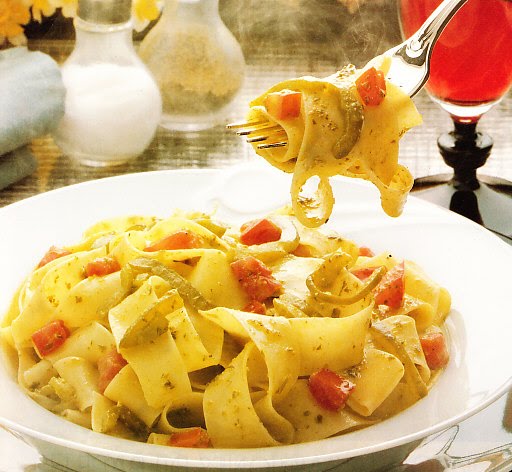
Pappardelle with Fresh Tomatoes
Tre Galline
Via Bellezia, 37
Tel 011 436 6553
Closed Sunday afternoons, Mondays and two weeks in January and three weeks in August
Price: 28/42 euros

In a 16th century palace in the heart of the historic center, Riccard DeGiuli owns and runs this historic restaurant. The restaurant was named Tre Galline, Three Chickens, after an open air poultry market that was across the street when the first Tre Galline locanda opened in this location in the mid 1700’s.

Tre Galline Specialties: Agnolotti, a type of ravioli; bollito misto; fritto misto,deep fried bits of veal, beef, liver, brains, sweetbreads and vegetables, sometimes called fricia in Piedmontese dialect.
Traditional dishes are offered throughout the week: mix of roasted meats on Mondays and Tuesdays, bollito misto Wednesday through Saturday, fritto misto on Fridays and bagna caộda on Saturdays.

 Tre Galline Restaurant
Montagna Viva
Piazza Emanuele Filiberto 3/A
Telephone: 011 5217 882
 Price: 25/44


This down home restaurant is such a good idea you have to wonder why no one ever thought of it before. The restaurant is run by a group of local farmers and food producers, and as Master cheese taster Renato Biegi explained “some of us make cheese, others make salami, grow beef cattle, rice, fruits and vegetables, produce wine and grappa, make olive oil, honey and marmalades, all natural biological products. What we’ve done is bring the farm to the city.” The dining room looks like a farmhouse kitchen; terra cotta floor tiles, red checked tablecloths cover rustic tables.

Montagna Viva Specialties: The menu is what you would expect if you were invited to have Sunday lunch on Zia Rosa’s farm: homemade pasta flavored with home grown tomatoes and fragrant mountain herbs, veal stew or roast rabbit with oven potatoes, grilled Piedmont beef, and a large selection of cheeses. Desserts are all homemade and, like the rest of the menu, are based on what is in season.


 Risotto Made with Rice From Local Rice Fields
 Del Cambio Piazza Carignano, 2
Closed Sundays and three weeks in August
Price: 130/150


Founded in 1757 as a coffee house, this is one of the most historic restaurants in Italy. It is certainly one of the few that still has an in-house pastry chef, actually two, who turn out hot bread sticks (grissini were created in Turin), and pastries daily.

Two stories beneath the glittering red velvet benches and gold damask drapes, frescoes of cavorting cherubs and massive crystal chandeliers, there is a 680 bottle cantina, each type of wine held at the perfect temperature in its own section. There is even a special room for champagne.

The King of Italy and Italy's first Prime Minister used to meet here to discuss the affairs of the day. If the Prime Minister wasn't available, the King would come alone. The restaurant is within walking distance of the Royal Palace and across the street from the first Parliment building.

Del Cambio Specialties: Traditional Piedmontese dishes, veal tonnato, Barolo braised beef and mixed deep fried meats, are served every day, but savvy Turinese know that Del Cambio only serves bollito misto on Thursdays, just as it has done for hundreds of years.

 Corner Table at Del Cambio

And now for a few suggestions:
Chef Donna, a native of Tunin, is the author of Cooking in Piedmont, and the winner of many prestigious culinary awards. For more information about this chef check out his web site http://www.robertodonna.com/robertodonna/

“When I was growing up in Turin,” says Chef Roberto Donna of Washington D.C.’s four star Galileo Restaurant, “my two favorite foods were ravioli del plin and the chocolate and hazelnut cream pudding called bonet. My list is a lot longer now and I try to include some of my favorites in the food I serve in my restaurants.”

Here’s his list of dishes visitors to Turin should not pass up.

Starters
Acciughe al verde, anchovies served with basil and parsley pesto spiked with hot peppers
Vitello tonnato, razor thin slices of rare roasted veal served with a rich tuna sauce. This is most often thought of as a summer dish, but when the weather outside is frightful, the sauce is served warm.
Fonduta, made from fontina di Aosta, butter, egg yolks, milk and white truffles from Alba.

Pasta
Taglierini al rosso d’uovo – rich egg noodles, (12 egg yolks to each pound of flour), served with butter and truffle shavings, or sometimes with a sauce of butter, oil, onions, tomatoes, and finely chopped chicken livers
Raviolini del plin – tiny ravioli may be offered with a creamy cheese sauce (fonduta) or a reduced veal stock, or even served in broth. The sauce depends   on what they are filled with.

Main courses
Brasato al Barolo – the classic Piedmont beef slow cooked in rich red Barolo wine
Bollito misto – a mix of boiled meats traditionally served with three piquant sauces
Fritto misto – a mix of flash fried bits of meat, fish and vegetables. The mix is made up of whatever is fresh in the marketplace that day.

Dessert
Bonet – the Chef’s favorite chocolate and hazelnut cream pudding
Nocciolini di Chiavasso – a tiny cookie made of toasted hazelnuts, sugar and egg whites, traditionally served with a zabaglione sauce. These cookies were originally called “noisettes”, which is the French word for nuts, but the name was changed during Mussolini’s reign in the 1930’s.
Torta gianduia – chocolate cake with chocolate and hazelnut cream filling and frosting.

05 September 2010

LIFE: It's All About the Va Va Varoom

MONZA, Italy – As summer draws to a gentle end lush pink roses nod their heavy heads in the afternoon sun. Leafy trees sway in the gentle breeze cooling those trying to squeeze a few more hours of weekend from the lazy afternoon. It’s Sunday. In the great, green park of Monza the roads are closed to traffic. The only wheels on the hot macadam are foot powered; Dad slowly pedaling down the shady lanes, Mom right behind him, one eye over her shoulder making sure the kiddies are keeping up. They want to enjoy the tranquility while it lasts for the park will soon reverberate with the roar of high powered engines and the running of the Formula 1 Gran Premio San’tander d’Italia 2010.

Sunday in the Park

There is no question that Formula One is the king of motor sports. It's also the richest, most passionate, most complicated, most political, and most international racing championship in the world. And Monza, one of the most historic racing circuits on the Formula One calendar, is the most severe test a Formula 1 engine can encounter.

When the first Italian Grand Prix was held in 1921, but before the race could be run the organizers, the Auto Club of Brescia, had to get permission from the Fascist government. The course ran from the northern Italian town of Brescia down to Rome and back again, over 1,000 miles of Italian roads good, bad and indifferent, through dangerous mountain passes and mucky swamps. It was called the Mille Miglia. The race started in Brescia at 9 PM. The cars were flagged off at one minute intervals with the smaller, slower cars leaving first. Each car was numbered, the numbers representing their starting time.

The Good Ol' Days
The strategy was simple. Drive as fast as you can for as long as you can, for this was a race against the clock. If you were lucky you would finish with the leaders, if you weren’t, you ended up in a ditch somewhere along a winding mountain road. And all along the way, from the industrial towns of the Po Valley to the ancient villages that still cling to the ragged slopes of the Apennine Mountains, people gathered to cheer for their favorites, the roads often so narrow spectators were standing just inches from the speeding cars.

"In my opinion, the Mille Miglia was an epoch-making event…. The Miglia created our cars and the Italian automobile industry. It permitted the birth of GT, or grand touring cars, which are now sold all over the world … and proved that by racing over open roads for 1,000 miles, there were great technical lessons to be learned by the petrol and oil companies and by brake, clutch, transmission, electrical and lighting component manufacturers, fully justifying the old adage that motor racing improves the breed." ...Enzo Ferrari

1933 Mille Miglia
No one remembers the winner of that first race anymore, but just for the curious it was a 1921 OM, built by an Italian company that is no longer in     business. The company may not have survived, but the race made history, and it was the success of that race that spurned the Automobile Club of Milan to build the track at Monza.

The Monza race track first opened on a rainy September day in 1922. But don’t let its age fool you. It’s still one of the fastest tracks in Europe, a track built for speed, with Formula One cars routinely exceeding 360kmh/223 mph. But it isn’t always the speed of the cars that makes the race dangerous. This was especially true during the early years of F1 racing. During the 1958 Grand Prix, Ferrari driver Luigi Musso had to be brought to the first aid station several times during the race. 
He was getting dizzy and sick to his stomach from inhaling the gas fumes coming from his car. Unlike today, where drivers can talk directly to their crews, drivers in the 1950’s had to use hand signals to communicate. A twirling finger meant the driver was about to spin out, a motion like ocean waves signaled that the car wasn’t holding the road, and a thumbs up meant that there was something wrong with the motor. But what the signal was for I’m about to pass out from the fumes, is anyone’s guess.

Ferrari with top drivers Luigi Musso, Eugenio Castelloitti and Peter Collins


Right after World War I, Enzo Ferrari was hired by Isotta-Fraschini to drive their Tipo I 8 liter in-line 4-cylinder race car. Isotta-Fraschini, was one of Italy's first legendary luxury car companies and pioneered innovations like four-wheel brakes that were first used in 1920, and the Single OverHead Cam (SOHC) eight-cylinder engine. All admirable achievements but Ferrari found himself sitting in front of the gas tank, which in turn shared the space with a 40 liter oil tank, which was needed to lubricate the Tipo 4 cylinder engine and rear wheel drive chains. The air pump was located on the left of the passenger seat which provided pressure to keep oil and fuel flowing. A mechanic was always brought along for the ride, for someone had to operate the air pump.


Ferrari’s driving career didn’t last very long; he soon realized he didn’t have the nerve it takes to make a good driver. Nothing to be sad about though. If Ferrari had been a good driver, the Ferrari Scuderia would have never seen the light of day depriving hard core Ferrari fans the bone chilling thrills of watching a sleek red Ferrari win yet another race.

And speaking of Ferrari fans, they'll will be out in force again this year, waving red Ferrari flags with its prancing black stallion, wearing Ferrari tee shirts and caps, and cheering for this year’s Ferrari F1 drivers. And so on this Sunday afternoon, as locals stroll along the shady paths of the park, eating ice cream and enjoying the day, and bikers take pleasure in being the kings of the road, they know that today’s tranquility will soon be only a memory for on September 10th, more than 100,000 hard core Formula One racing fans will take over the park of Monza. After paying up to $3,852 for a three-day pass, you’d better believe will be making a lot of joyful noise as they wait for the starting flag to drop and that first great roar of the engines.

Monza
Race Date: 12 Sept. 2010
Number of Laps: 53
Circuit Length: 5.793 km
Race Distance: 306.720 km

For the latest in fashion news and views from the fashion capital of the world follow me on twitter.com/Italianlife

02 September 2010

AUNTIE PASTA: Turin's Culinary Gold

TURIN, Italy – With the sky still an early morning pink, crates of dark green artichokes, yellow pears and fragrant fennel are stacked wily nily, cluttering the streets as fruit and vegetable vendors at Turin’s great food market, Porta Palazzo set up their market stalls for the day. Nearby, brawny butchers in white coats and blood stained aprons, pull large beef hindquarters and pork carcasses from the back of rumbling refrigerated trucks and hang them on large hooks behind their counters in the immense glass and wrought iron market building.

Porto Palazzo Market

But even before the butchers start to sharpen their knives and price cards are stuck into the produce boxes, local chefs are on the prowl, menu ideas running through their minds. How many crates of Swiss chard do you have? Never mind, how about these beets, will you have more tomorrow? The day’s menu depends on what they choose. The only thing certain is that the food they’ll prepare is unlike any you have ever eaten in Italy.

Just ask Turin native Chef Roberto Donna of Washington, D.C.’s four-star Galileo restaurant (more about Chef Donna in the March 11, 2010 Auntie Pasta: Bruciolo) He knows first-hand how creative the chefs in his hometown can be. He’ll also tell you that with such incredibly voluptuous and seductive ingredients as white truffles, porcini mushrooms, Piedmont beef, fresh brook trout, and an abundance of game, no one is ever really surprised when first time visitors can barely keep from swooning at the dinner table.


The Vast Selection Boggles the Mind
In part it’s the luck of the location. Turin is in the extreme northwest corner of Italy, in the province of Piedmont. But while Piedmont, home of the Slow Food movement, has become a Mecca for food lovers, Turin seems to hover below the radar line. As gourmands track elusive white truffles in Alba and frolic through the vineyards of Montferrato, the tables of Turin are largely ignored.

Turinese cuisine is not like the food in any other part of Italy. For one, chefs tend to reach for butter and lard rather than olive oil. Olive oil has only been used in local cooking since the 1950’s, brought north by southerners who immigrated to Turin to work in the automobile industry. And more than in any other part of Italy, local dishes incorporate a variety of savory sauces.


Truffles Big and Small, Black and White
Another difference is that appetizers play a much larger role here than in other parts of Italy, both in the size of the portions and in their sheer creativity. In Chef Donna’s cookbook, ‘Cooking in Piedmont’, he presents twenty-six recipes for appetizers including such non-appetizer sounding dishes as rabbit salad, stuffed roasted peppers, veal tongue in a spicy red sauce, a duck liver flan and spicy polenta served with fried quail eggs.
Probably the best known Piedmontese appetizers are bagna cauda –literally a hot bath -of oil, garlic, anchovies and butter served as a dipping sauce for winter vegetables, and fonduta (from the French fondre, to melt) a fondue of creamy Fontina cheese flavored with white truffles. Truffles are used extensively in Turinese cooking, and when they are in season – between November and February – they are liberally showered over just about everything.

Ravioli del Plin

In a traditional Italian meal, appetizers are followed by a primo, usually pasta. Two of Turin’s most popular dishes are tajarin, golden egg noodles served with melted butter and a shaving of white truffles, and Chef Donna’s favorite, ravioli del plin, (del plin means to pinch in Turinese dialect) often served with a reduced veal stock and a veil of grated parmesan cheese. It is interesting that the Turinese prefer fresh egg pastas, rather than pastasciutta, dried pasta, that is so popular throughout the rest of Italy

The best rice in Italy, some say the world, grows in the wide flat lands between Milan and Turin so in addition to pasta you’ll find rich and creamy risotto, riso all piemontese, rice served with meat sauce, and riso e ceci, a rice and chick pea dish on menus. Other non-pasta choices are chestnut flour gnocchi served with a fonduta di Castelmagno (Castelmagno is a town southwest of Turin that is famous for its cheese), or baccalà (salted cod), served with saffron flavored polenta. And then, as the Italians say, Coraggio! – courage! It’s time to move on to the main course.

Bollito Misto


The city’s signature dish is bollito misto, a mix of boiled meats served with three sauces: bagnet verd, a parsley sauce spiced up with anchovy, garlic and olive oil; bagnet ross, crushed tomatoes, garlic and hot peppers, and saussa d’avije, a mustard sauce sweetened with honey and crushed nuts. In the past, traditionalists insisted that bollito misto contain seven vegetables, seven types of meat, and seven types of ornamenti, i.e. tongue, tail and dangly bits, but today the more exotic dangly bits are slowly being eased out. On the menu at least once a week in most Turin restaurants, the boiled meat dish is served from a rolling stainless steel cart, each meat kept warm in its own broth filled compartment, and you can ask for the meats that you want.


Other classics include brasato al Barolo, Piedmont beef slowly braised in Barolo wine, and finanziera, a stew of cock’s crests, chicken livers, veal, peas and porcini mushrooms. In the fall and winter, you’ll find venison, roe deer (a small European deer), quail and even tagliata di renna, slices of reindeer meat, on some menu, along with beef and veal, free range poultry and freshly caught fish instead of fish farm fish.

Elegant Dining in Turin

In a country where no culinary rock has been left unturned, it’s nice to know that there is still a small corner where you can find new taste experiences. The food in Turin may just change the way you look at Italian food forever.

In next week’s Auntie Pasta post you’ll find a preview of what’s on the menu at some of Turin’s restaurants, and some insider tips by Chef Donna as to the best Turinese dishes to try.


For the latest in fashion news and views from the fashion capital of the world follow me on twitter.com/Italianlife

29 August 2010

LIFE: Out of the Kindness

SARONNO, Italy - The first real work I had when I first moved to Italy was in Genoa teaching English at a small private language school. I was being paid under the table (in nero) which meant that sometimes when I would come into the school one of the owners would put her finger on her lips, a warning for me not to say anything. It meant the Guardia di Finance, or fiscal police, were in inspecting the books. They knew schools hired illegals, especially English mother-tongue illegals, all the time and they paid off the books.

I knew I was not being paid what Italian teachers, or foreigners who were here legally, were paid but I didn’t complain. I was happy to have a job after not working for nearly six months.

So with the little bit of money I was earning I started putting together my Italian life. I was living in a furnished apartment about half an hour out of Genoa in a borgo called Santa Maria Quezzi, (see January 31, 2010 blog).

Another Beautiful Ginori Design

With no car, my only means of transport to and from the city was the No. 15 bus. I would get off on Via XX Settembre, Genoa’s main street, and walk the few blocks to the language school passing a rather posh china and gift shop along the way. They had the most beautiful things in that store and I remember standing and staring in the window and wondering if I would ever be able to afford anything in there.

January and July are the State designated sales periods here in Italy and so shortly after Christmas my favorite shop filled their window with all the bits and bobs they were willing to part with at a discounted price. That’s when I saw them – the gold rimmed Richard Ginori plates with the small roses. I loved them.

Every day on my way to work I would stop and stand with my nose pressed against the glass and look at them, dreaming about how they would look on my dinner table. I had no idea how much they really cost for I had yet to figure out the value of lire to dollars and vice versa. If a newspaper cost 1,000 lire, and a cup of coffee cost 1,500, how many thousands, or even millions of lire would the dishes cost? And how much was that in real money? Dealing with such high numbers was not only confusing, it was downright overwhelming.

My Beautiful Dishes

Then one day, fearful the plates would be snapped up and gone forever, I gathered my courage and went in. In my halting Italian I told the young clerk I wanted six of the Richard Ginori plates in the window. She knew immediately which ones I was talking about.

“There are only ten plates left,” she said. “Why don’t you take them all?”
“I wish I could,” I said, “but I am a poor English teacher and I don’t have enough money to buy them all.”

I knew that Richard Ginori was one of the oldest porcelain manufacturers in Italy, founded in 1735 by the Florentine Marquis Carlo Ginori. The early pieces he made were primarily destined for the court of the Medici family, the godfathers of the Florentine Renaissance, so whatever they cost, it was surely more than I could afford. As it was I was convinced I would have to eat bread and onions for a month just to pay for the six plates I asked for.

The cups that go with my dishes

The clerk nodded. She went to the window, took the plates out and then disappeared into the back room. A few minutes later she reappeared with a package all done up in brown paper and tied with heavy string. She put it on the counter and rang up the sale. I don’t remember what I paid for those plates, now that we’ve converted to Euros it’s hard to remember what things costs back in the day of the lira, but it seemed like an awful lot of money.

I carried the package to school that night and it wasn’t until the next morning that I opened it. She had given me all ten plates.

What a sweet beginning to my Italian life. I’ve been very lucky these past twenty years, I’ve met a lot of nice people who have gone out of their way to help a stranger. Every time I use those beautiful dishes I think about that young girl in Genoa and I hope that in some small way I am able to pass that kindness on.

For the latest in fashion news and views from the fashion capital of the world follow me on twitter.com/Italianlife

25 August 2010

AUNTIE PASTA: Italians Do It Whey Better

SARONNO, Italy - Any cook worth his or her salt will tell you that in the culinary world you don’t throw anything away. Take ricotta for example. Ricotta is made from what is left over after making other cheeses. In truth, ricotta isn’t a cheese at all but a latticino, a dairy by-product. Cow and buffalo milk mozzarellas are also considered latticini.

Creamy Ricotta

Ricotta is made from whey, the same stuff Little Miss Muffet was eating as she sat on her tuffet. Simply speaking whey is the watery liquid that is left after cow, sheep or goat cheese is made. Italians love ricotta and while you may look at it and say, 'what's the big deal?' there's a lot of story behind ricotta. It's   been part of the Italian cucina for centuries.

During the days of the Roman empire ricotta production was regulated by Cato the Elder (234 to 149 BC). He introduced laws regarding sheep farming and agriculture. In those days, sheep’s milk was used for many things: as part of sacrificial rites, as a beverage, for the production of pecorino cheese – and ricotta. Even back then they used the whey instead of throwing it out.


Variations on a Ricotta Theme

It is fairly easy to make ricotta. The name ricotta means “recooked” in Italian and recooking is the basic idea behind this product. What happens is whey is allowed to ferment for one or two days in tepid temperatures until it becomes more acidic. After the fermentation is complete the whey is cooked to almost boiling; then the left over proteins solidify into curds which are then filtered through a cloth. The result is a product that is a lot like cottage cheese but with a sweeter taste.

There are many forms of ricotta but the most common types are: ricotta di mucca (cow milk ricotta), ricotta di pecora (sheep milk ricotta) and ricotta di bufala, (buffalo milk ricotta). The best ricotta is that which comes straight from the farm, but even here in Italy, at least in the towns around Milan, it can be hard to find.

I’ve heard that in some areas of Italy you can also find ricotta di mucca e pecora, a mix of cow and sheep milk and ricotta di capra, goat milk ricotta. And more recently they have started selling buffalo milk ricotta in the southern regions of Campania and Puglia where buffalo mozzarella is produced.

For ravioli, tortelloni, agnolotti, stuffed crepes and cakes and pastries, the most common ricotta to use is cow milk ricotta. But in areas where sheep herding is more widespread, like Tuscany, Lazio, Abruzzi, Campania, Puglia and Sardinia, sheep milk ricotta is the most popular, particularly for regional specialties. Each region produces a slightly different tasting milk and cheese, but generally speaking sheep milk ricotta is a little richer than cow milk ricotta.

Zucchini and Ricotta Quiche

Ricotta di pecora is most often used in sauces and pasta recipes, particularly those that include eggplant, peppers, zucchini and spinach. It is also very good for pasta al forno, baked pasta, especially the type prepared in the central southern regions of Italy, and deserts like Sicilian cannoli and cassata.

Ricotta Romana DOP is one of the better known ricottas in Italy. The DOP designation says that it is produced in the region of Lazio and classic production methods have been followed. One of the most renowned ricotta in Italy is the sheep milk Ricotta Romana (D.O.P.), which has a protected designation of origin. This certifies that it is produced only in the region of Lazio and that strict requirements regarding its method of production are followed.

Sicilian Cannoli

Ricotta producers in Campania recently applied for a DOP designation for their ricotta di buffalo and there is every indication that they will get it. There are a few other special types of ricotta too, like ricotta salata, a hard, seasoned cheese that is often used in place of pecorino and grated over pasta. Ricotta al forno or infornato, is a baked ricotta that can be eaten as in or added to pasta dishes. Ricotta affumicata, or smoked ricotta has a delicious taste of charred oak and chestnut. But the most unique ricotta is ricotta scanta which you will only find in Puglia. It is a pungent, aromatic, beige-colored and creamy ricotta that the Pugliese spread on bread or on vegetables. 

And for a change of pace, and a lighter calorie count, you might want to try using ricotta the next time you make a vegetable (maybe zucchini) quiche.
For the latest in fashion news and views from the fashion capital of the world follow me on twitter.com/Italianlife